
If you or someone you know is facing wisdom teeth extraction, it's natural to have questions about what the procedure entails and what to expect. Wisdom teeth are the last set of molars to emerge in the back of the mouth. They typically appear between the ages of 17 and 25, but not everyone develops wisdom teeth. While some people may have enough space in their mouths for their wisdom teeth to grow in properly, others may experience pain, infections, and other dental issues due to the lack of space. In such cases, wisdom teeth removal becomes necessary. At Maple Park Dental, we understand the apprehension that can come with any dental surgery, which is why we're here to provide you with comprehensive information about what to expect during and after wisdom teeth removal.
The Decision to Remove Wisdom Teeth
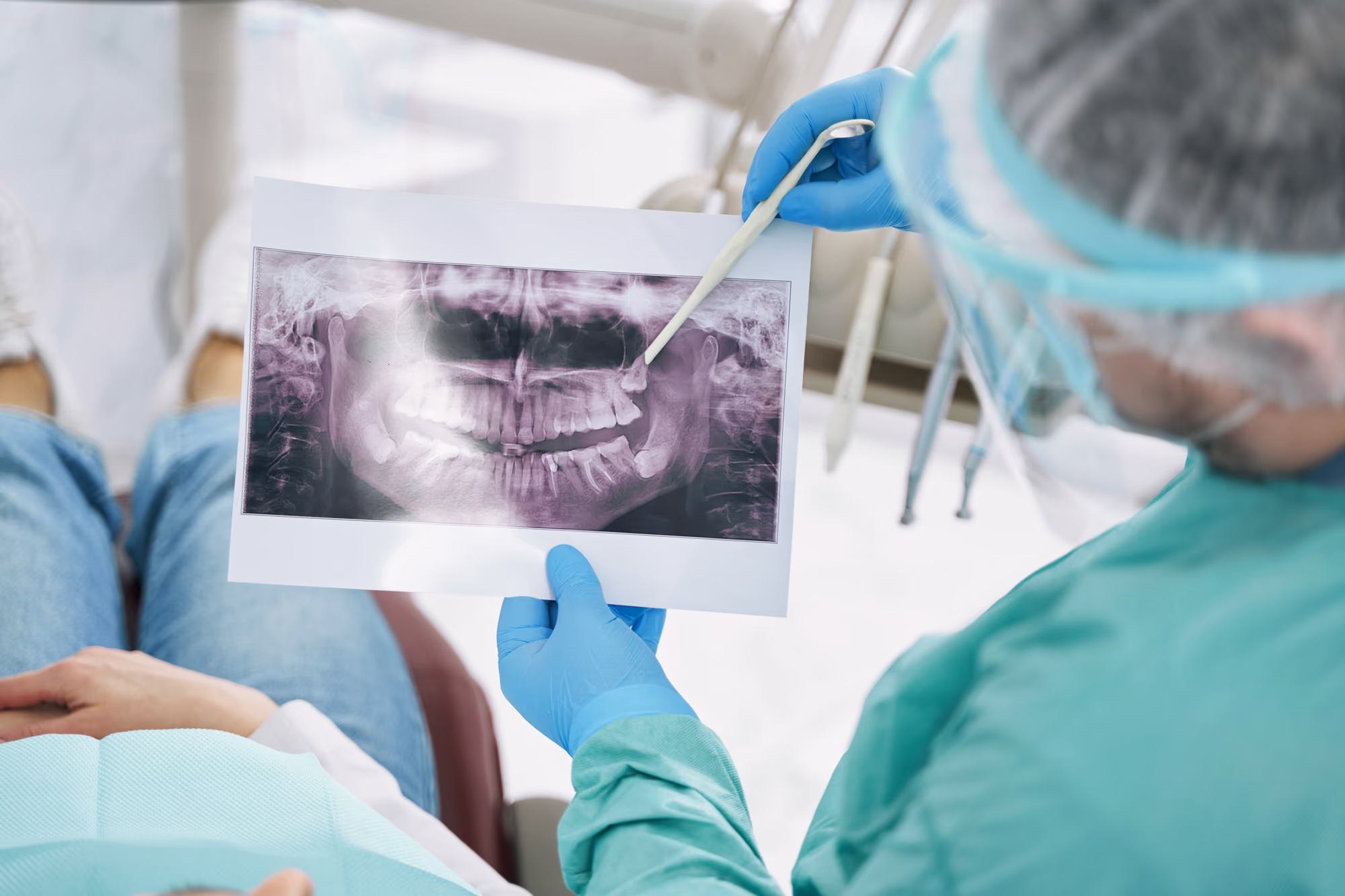
The decision to remove wisdom teeth is typically based on an assessment by a dentist or oral surgeon. X-rays are often taken to determine the position of the wisdom teeth, their impact on the surrounding teeth, and the presence of any infection or decay. If it's determined that the wisdom teeth are causing issues or are at risk of causing problems in the future, the dental professional may recommend their removal.
Preparation for the Procedure
Before the wisdom teeth removal, the dentist or oral surgeon will explain the process to you and address any concerns you may have. They will also discuss the type of anesthesia to be used during the procedure, such as local anesthesia, sedation, or general anesthesia, depending on the complexity of the case and your comfort level.
The Procedure Itself
During the actual extraction, the area surrounding the wisdom teeth will be numbed with the chosen anesthesia. If the teeth are impacted, meaning they have not fully emerged from the gumline, the dental professional may need to make an incision in the gums and possibly remove some bone to access and remove the teeth. In some cases, the teeth may need to be broken into smaller pieces to facilitate their removal.
What to Expect After the Procedure
Following the extraction, it's common to experience some discomfort, swelling, and minor bleeding. You will be provided with post-operative instructions, which may include guidelines for pain management, swelling reduction, and oral hygiene. It's essential to follow these instructions closely to promote proper healing and minimize the risk of complications.
Recovery Time and Follow-Up
The initial recovery period after wisdom teeth removal usually lasts about a week. During this time, it's advisable to stick to soft foods and avoid vigorous physical activity to allow the area to heal. The dentist or oral surgeon will schedule a follow-up appointment to monitor the healing process and ensure that there are no signs of infection or other issues.
Potential Complications and Risks
While wisdom teeth removal is a common and safe procedure, as with any surgical intervention, there are potential risks and complications, such as dry socket, infection, nerve damage, and sinus issues. It's important to be aware of these risks and follow all post-operative instructions to reduce the likelihood of experiencing them.Should you have any questions or require further information, our team at Maple Park Dental is here to provide support and guidance. We understand that dental surgery can be an intimidating prospect, and we are dedicated to ensuring that your experience is as seamless and stress-free as possible.If you're interested in learning about other common dental procedures, take a look at some of our recent articles: "Dental Implants 101” and “Getting to the Root of Root Canals.”
Share this post
Explore more posts
When Should I Replace My Toothbrush? The Science Behind the 3-Month Rule
At Maple Park Dental, we emphasize that a toothbrush is a precision tool for your oral health. While it might seem like a small detail in your daily routine...

The Power of Prevention: Everything You Need to Know About Professional Dental Cleanings
A trip to the dentist is far more than a routine chore; it is a critical investment in your long-term physical health. At Maple Park Dental, we believe that...
Fluoride vs. Non-Fluoride: Debunking the Top 3 Toothpaste Myths
Staring at the toothpaste aisle can feel more like a chemistry exam than a quick errand. With so much conflicting advice online, it’s difficult to separate...