
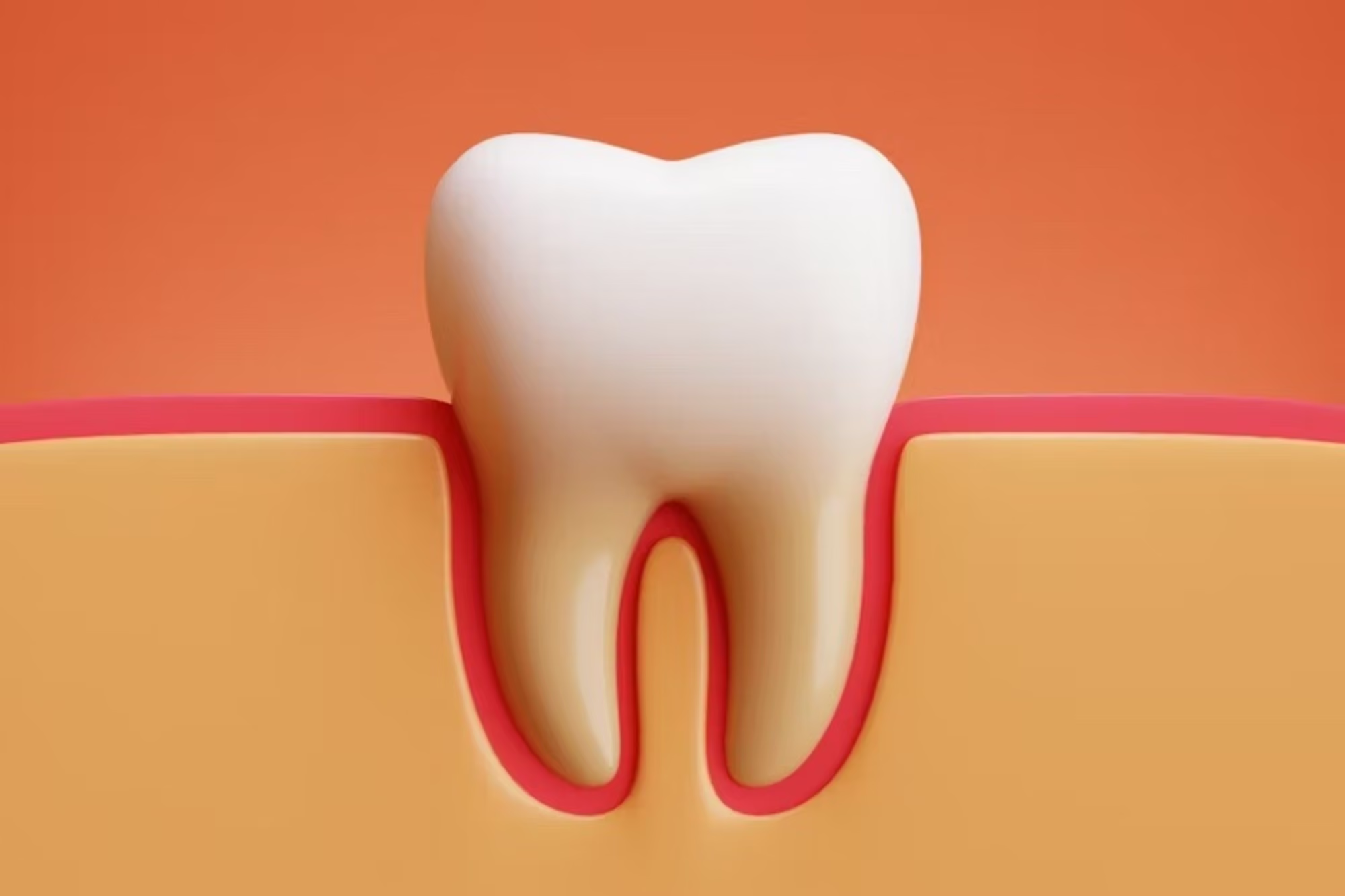
It's a common phrase in dentistry, but what exactly are receding gums, and why should you be concerned? Gum recession, or gingival recession, occurs when the gum tissue surrounding your teeth pulls back or wears away, exposing more of the tooth's root. This isn't just a cosmetic issue; it can lead to increased tooth sensitivity, vulnerability to decay, and even tooth loss if left unaddressed.Studies show that gum recession is incredibly prevalent, affecting a significant portion of the adult population. According to the National Institute of Dental and Craniofacial Research, two in five adults in the United States are affected by some form of periodontal (gum) disease. But what causes this common dental problem, and what can you do about it?
The Root Causes of Receding Gums
Several factors can contribute to gum recession, some within your control and others less so.
- Periodontal Disease: This is by far the leading cause. Bacterial infections in the gums destroy gum tissue and the bone supporting your teeth. As the infection progresses, the gums pull away, creating pockets where more bacteria can thrive.
- Aggressive Brushing: Brushing too hard or with a hard-bristled toothbrush can wear down enamel and gum tissue over time, causing the gums to recede. It's counterintuitive, but vigorous brushing can actually harm your oral health!
- Poor Oral Hygiene: Insufficient brushing and flossing allow plaque and tartar to build up. This sticky film of bacteria irritates the gums, leading to inflammation (gingivitis) and eventually, gum recession.
- Genetics: Unfortunately, some individuals are simply more predisposed to thin gum tissue or gum disease due to their genetic makeup. If your parents or grandparents had receding gums, you might be at a higher risk.
- Hormonal Changes: Fluctuations in hormones, particularly during puberty, pregnancy, or menopause in women, can make gums more sensitive and susceptible to recession.
- Teeth Grinding or Clenching (Bruxism): The excessive force exerted on teeth from grinding or clenching can damage gum tissue and bone, leading to recession.
- Misaligned Teeth or Bite Issues: When teeth don't come together properly, certain teeth can experience undue pressure, causing the gums around them to recede.
- Tobacco Use: Smoking or using chewing tobacco significantly increases your risk of gum disease and recession. The chemicals in tobacco damage gum tissue and impair the body's ability to fight infection.
- Lip or Tongue Piercings: Friction from piercings can irritate and wear away gum tissue over time.
- Trauma: A direct injury or trauma to the gums can also cause them to recede.
Recognizing the Symptoms
Gum recession often progresses gradually, making it easy to miss in its early stages. However, keeping an eye out for these signs can help you seek timely treatment.
- Increased Tooth Sensitivity: This is one of the most common symptoms. Exposed tooth roots lack the protective enamel of the tooth crown and are more sensitive to hot, cold, sweet, or acidic foods and drinks.
- Teeth Appearing Longer: As gums recede, more of the tooth structure, including the root, becomes visible, making your teeth look longer than usual.
- Visible Tooth Roots: You may be able to see the yellowish or darker root surface of your teeth, which contrasts with the whiter enamel of the crown.
- A "Notch" or Indentation at the Gumline: You might feel a small indentation or ledge where the gum meets the tooth.
- Red, Swollen, or Bleeding Gums: While these are often signs of gingivitis, they can also indicate underlying gum recession.
- Bad Breath: Persistent bad breath can be a symptom of bacterial buildup associated with gum disease.
- Loose Teeth: In advanced stages of gum recession and gum disease, the supporting bone can be lost, leading to tooth mobility.
Effective Treatment Options
The good news is that while receded gum tissue cannot grow back on its own, its progression can be halted, and the affected areas can be treated. At Maple Park Dental, we offer a range of solutions tailored to the severity and cause of your gum recession.
- Deep Cleaning (Scaling and Root Planing): For cases caused by plaque and tartar buildup, a thorough deep cleaning removes bacteria and smooths the root surfaces, allowing the gums to reattach.
- Topical Antibiotics/Antimicrobial Rinses: These can be used to control bacterial infections and promote gum healing.
- Dental Bonding: For mild cases, tooth-colored composite resin can be applied to the exposed root surface to reduce sensitivity and improve aesthetics.
- Orthodontics: If misaligned teeth are contributing to recession, orthodontic treatment (like braces or Invisalign) can gradually move teeth into proper alignment, which may allow the gum margin to improve.
- Gum Grafting: In more severe cases where a significant amount of gum tissue has been lost, a gum graft may be recommended. This surgical procedure involves taking tissue from another area of your mouth (like the palate) or using donor tissue to cover the exposed tooth roots. This not only improves aesthetics but also protects the vulnerable root surfaces.
- Regular Dental Check-ups and Cleanings: Consistent preventive care is crucial for early detection and management of gum recession. Our team can monitor your gum health and provide personalized advice on proper oral hygiene techniques.
Take Control of Your Gum Health
Don't let receding gums compromise your smile or your oral health. If you've noticed any of the symptoms mentioned above or are concerned about the health of your gums, it's essential to seek professional evaluation. The experienced team at Maple Park Dental is dedicated to providing comprehensive and compassionate care to help you achieve and maintain a healthy, confident smile.Contact us today to schedule an appointment. Let's work together to protect your gums and preserve your smile for years to come!
Share this post
Explore more posts
When Should I Replace My Toothbrush? The Science Behind the 3-Month Rule
At Maple Park Dental, we emphasize that a toothbrush is a precision tool for your oral health. While it might seem like a small detail in your daily routine...
The Power of Prevention: Everything You Need to Know About Professional Dental Cleanings
A trip to the dentist is far more than a routine chore; it is a critical investment in your long-term physical health. At Maple Park Dental, we believe that...
Fluoride vs. Non-Fluoride: Debunking the Top 3 Toothpaste Myths
Staring at the toothpaste aisle can feel more like a chemistry exam than a quick errand. With so much conflicting advice online, it’s difficult to separate...