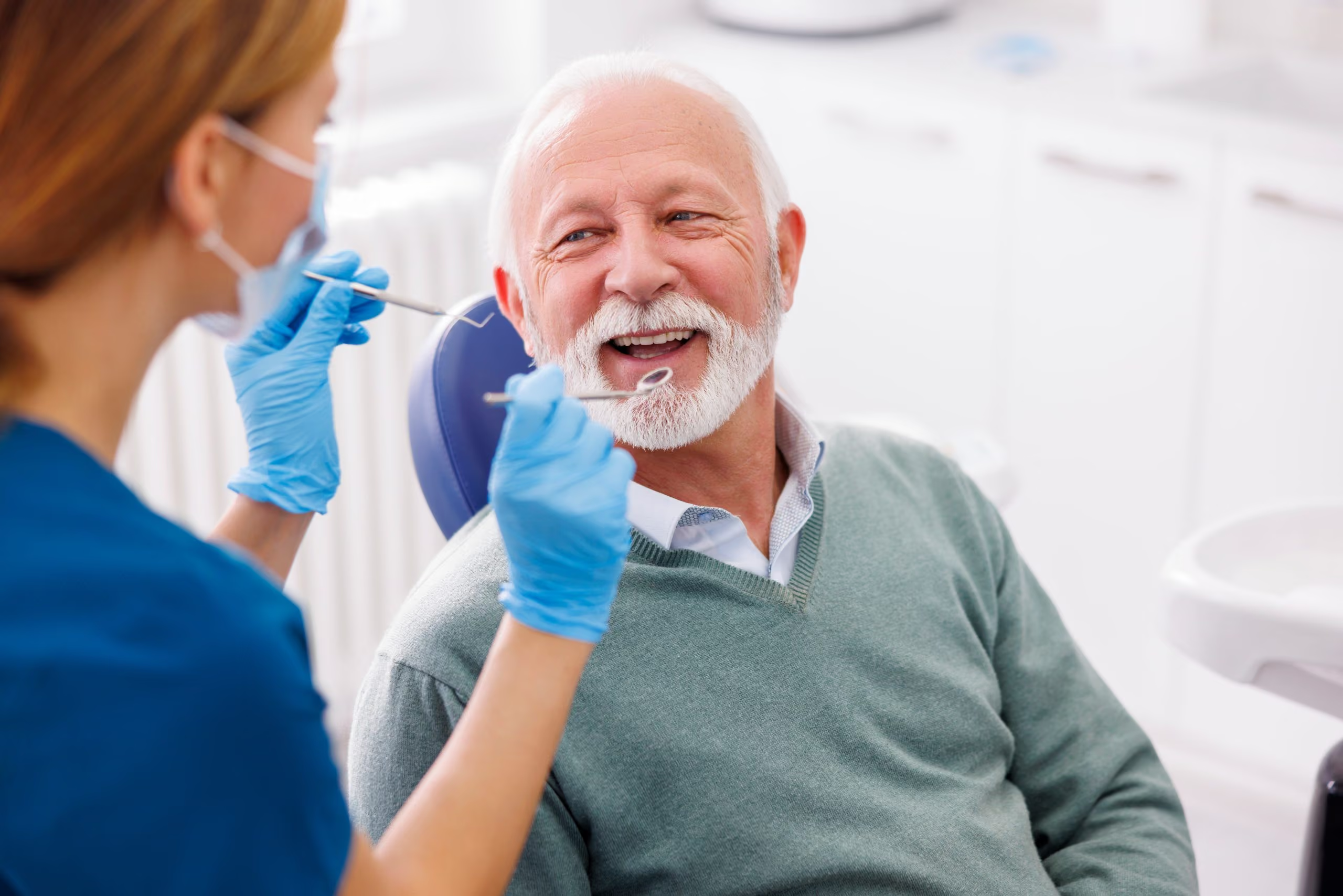
As we gracefully navigate the journey of life, our bodies undergo various changes, and our oral health is no exception. Maintaining a healthy smile is crucial for overall well-being at any age, but for seniors, specific challenges can arise that require focused attention and proactive solutions. At Maple Park Dental, we understand these unique needs and are committed to providing comprehensive care to help our senior patients enjoy healthy and comfortable smiles for years to come.One of the primary challenges seniors face is dry mouth, also known as xerostomia. This condition, often a side effect of certain medications (like those for high blood pressure, depression, and allergies) or medical treatments like radiation therapy, reduces saliva flow. Saliva plays a vital role in washing away food particles, neutralizing acids produced by bacteria, and remineralizing tooth enamel. Without adequate saliva, seniors are at a higher risk of developing cavities, gum disease, and oral infections. According to the American Dental Association, approximately 30% of people over the age of 65 experience dry mouth. This statistic underscores the prevalence of this issue and the importance of addressing it proactively.
Solutions for Dry Mouth
- Hydration is Key: Encourage regular sipping of water throughout the day. Avoid sugary drinks and excessive caffeine or alcohol, which can exacerbate dryness.
- Saliva Substitutes: Over-the-counter saliva substitutes, sprays, or gels can provide temporary relief.
- Sugar-Free Gum and Lozenges: Chewing sugar-free gum or sucking on sugar-free lozenges can stimulate saliva production.
- Humidifier: Using a humidifier, especially at night, can help keep the oral environment moist.
- Medication Review: Discuss your medications with your doctor to see if any contribute to dry mouth and if alternatives are available.
- Regular Dental Checkups: Routine dental appointments are important for assessing saliva production and receiving necessary preventive treatments.
Another significant concern for seniors is gum disease (periodontitis). Over time, plaque and tartar buildup can lead to inflammation and infection of the gums, potentially causing bone loss and tooth loss. Seniors may be more susceptible to gum disease due to factors like weakened immune systems and difficulty maintaining thorough oral hygiene. The Centers for Disease Control and Prevention (CDC) states that about 60% of adults 65 years or older had periodontitis in 2009–2014. This highlights the serious impact of gum disease on the senior population.
Solutions for Gum Disease
- Meticulous Oral Hygiene: Brushing twice daily with fluoride toothpaste and flossing or using interdental brushes daily are essential. Consider using an electric toothbrush for more effective plaque removal.
- Professional Cleanings: Regular dental cleanings are crucial to remove tartar buildup that home care cannot address.
- Scaling and Root Planing: If gum disease is present, dental hygienists can perform deep cleaning procedures like scaling and root planing to remove bacteria and smooth tooth roots.
- Medications and Treatments: In some cases, antibiotics or other treatments may be necessary to manage gum disease.
- Quit Smoking: Smoking significantly increases the risk and severity of gum disease.
Beyond dry mouth and gum disease, seniors may also face challenges like tooth decay (cavities), particularly root decay due to gum recession, oral cancer, and issues related to dentures. Ill-fitting dentures can cause discomfort, irritation, and even affect eating and speaking. Regular denture adjustments and checkups are vital.
General Tips for Senior Oral Health
- Maintain a Balanced Diet: A nutritious diet low in sugar can contribute to overall oral health.
- Stay Hydrated: As mentioned earlier, water is essential for saliva production and overall well-being.
- Quit Tobacco Use: Smoking and chewing tobacco are detrimental to oral health.
- Schedule Regular Dental Visits: Consistent checkups and cleanings are your best defense against oral health problems. Early detection and intervention can make a significant difference.
- Communicate with Your Dentist: Don't hesitate to discuss any concerns or changes you notice in your oral health with your dentist.
At Maple Park Dental, we are dedicated to providing personalized and compassionate dental care for our senior patients. We understand the unique challenges you face and are here to partner with you in maintaining a healthy and confident smile throughout your golden years. Schedule your appointment today and let us help you prioritize your oral health for a better quality of life.
Share this post
Explore more posts
When Should I Replace My Toothbrush? The Science Behind the 3-Month Rule
At Maple Park Dental, we emphasize that a toothbrush is a precision tool for your oral health. While it might seem like a small detail in your daily routine...
The Power of Prevention: Everything You Need to Know About Professional Dental Cleanings
A trip to the dentist is far more than a routine chore; it is a critical investment in your long-term physical health. At Maple Park Dental, we believe that...
Fluoride vs. Non-Fluoride: Debunking the Top 3 Toothpaste Myths
Staring at the toothpaste aisle can feel more like a chemistry exam than a quick errand. With so much conflicting advice online, it’s difficult to separate...