
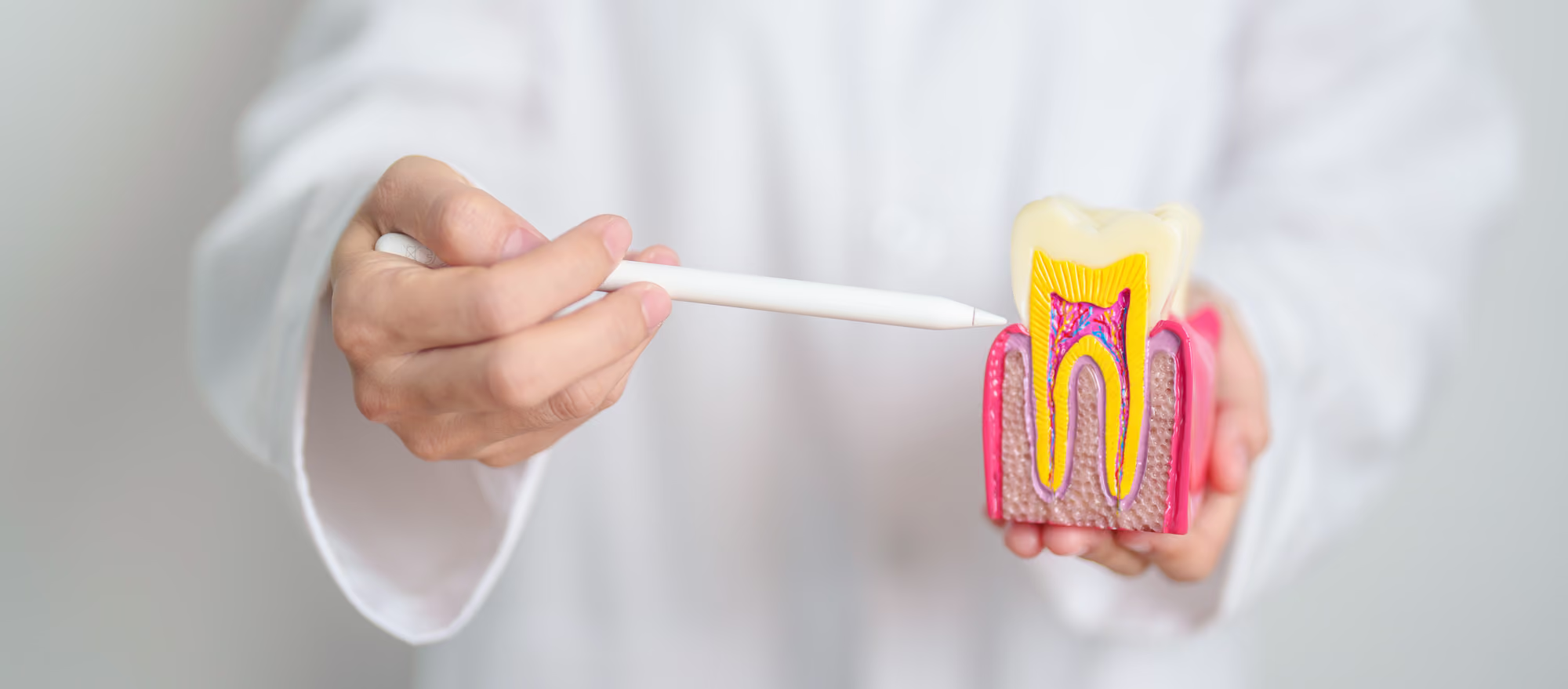
Most people think of a healthy smile in terms of straight, white teeth — but the foundation of that smile lives beneath the surface, in your gums and the bone that supports them. Periodontal (gum) disease is one of the most common chronic conditions in adults, yet it often develops quietly, with little pain or obvious warning. By the time many patients notice something is wrong, the disease has already progressed.At Maple Park Dental, we believe that awareness is your first line of defense.
What Is Periodontal Disease?
Periodontal disease is a bacterial infection of the structures surrounding your teeth — including the gums, ligaments, and jawbone. It begins as gingivitis, the mildest form, which causes redness, swelling, and bleeding of the gums. At this stage, the damage is still reversible with professional care and good home hygiene.Left untreated, gingivitis can advance to periodontitis, a more severe infection where the gums begin to pull away from the teeth, forming pockets that trap bacteria. Over time, this destroys the bone and connective tissue holding your teeth in place, potentially leading to tooth loss.According to the National Institute of Dental and Craniofacial Research, over 42% of adults aged 30 and older in the United States have some form of periodontitis — making it a widespread public health concern that deserves serious attention.
Why It's Called "The Silent Threat"
Periodontal disease earns its reputation as a silent threat because it often progresses without causing significant pain. Many people don't realize there's a problem until they notice loose teeth, persistent bad breath, or receding gum lines. By that point, damage to the supporting structures can be substantial.Common warning signs include:
- Gums that bleed easily when brushing or flossing
- Swollen, red, or tender gums
- Persistent bad breath that doesn't go away with brushing
- Gums that appear to be pulling away from the teeth
- Teeth that feel loose or have shifted position
- Changes in the way your teeth fit together when you bite
If you're experiencing any of these symptoms, it's important to schedule an evaluation as soon as possible.
The Link Between Gum Disease and Your Overall Health
What makes periodontal disease especially concerning is its documented connection to serious systemic health conditions. The bacteria responsible for gum infections can enter the bloodstream, triggering inflammatory responses throughout the body.The American Academy of Periodontology highlights strong associations between periodontal disease and conditions such as:
- Heart disease and stroke — Inflammation from gum disease may contribute to the narrowing of arteries.
- Type 2 diabetes — The relationship is bidirectional: gum disease makes blood sugar harder to control, and diabetes increases susceptibility to infection.
- Respiratory disease — Oral bacteria can be inhaled into the lungs, contributing to pneumonia and other conditions.
- Adverse pregnancy outcomes — Research suggests links between untreated gum disease and preterm birth or low birth weight.
This body of research underscores that caring for your gums isn't just about your mouth — it's about protecting your whole body.
Risk Factors to Know
While anyone can develop periodontal disease, certain factors increase your risk. Smoking is one of the most significant factors; it weakens the immune system and impairs gum tissue healing. Other risk factors include poor oral hygiene habits, a family history of gum disease, stress, certain medications that reduce saliva flow, and underlying conditions like diabetes or autoimmune diseases.Understanding your personal risk profile allows you and your dental team to take a more proactive approach to prevention.
Prevention and Treatment
The good news is that periodontal disease is largely preventable — and when caught early, highly treatable. A consistent routine of twice-daily brushing, daily flossing, and regular professional cleanings and exams forms the core of gum disease prevention. For patients already dealing with periodontitis, treatments such as scaling and root planing (a deep-cleaning procedure), antibiotic therapy, and in more advanced cases, surgical intervention can halt progression and help restore gum health.Don't wait for symptoms to speak up. Regular dental checkups are the most reliable way to catch periodontal disease in its earliest, most treatable stages. Schedule your comprehensive periodontal evaluation with Maple Park Dental today and take the first step toward a healthier smile — and a healthier you.
Share this post
Explore more posts
When Should I Replace My Toothbrush? The Science Behind the 3-Month Rule
At Maple Park Dental, we emphasize that a toothbrush is a precision tool for your oral health. While it might seem like a small detail in your daily routine...

The Power of Prevention: Everything You Need to Know About Professional Dental Cleanings
A trip to the dentist is far more than a routine chore; it is a critical investment in your long-term physical health. At Maple Park Dental, we believe that...
Fluoride vs. Non-Fluoride: Debunking the Top 3 Toothpaste Myths
Staring at the toothpaste aisle can feel more like a chemistry exam than a quick errand. With so much conflicting advice online, it’s difficult to separate...