
Root canals can be a source of anxiety for many people, but understanding the procedure can help alleviate some of those worries. Here are the top eight things you need to know about root canals:
Purpose
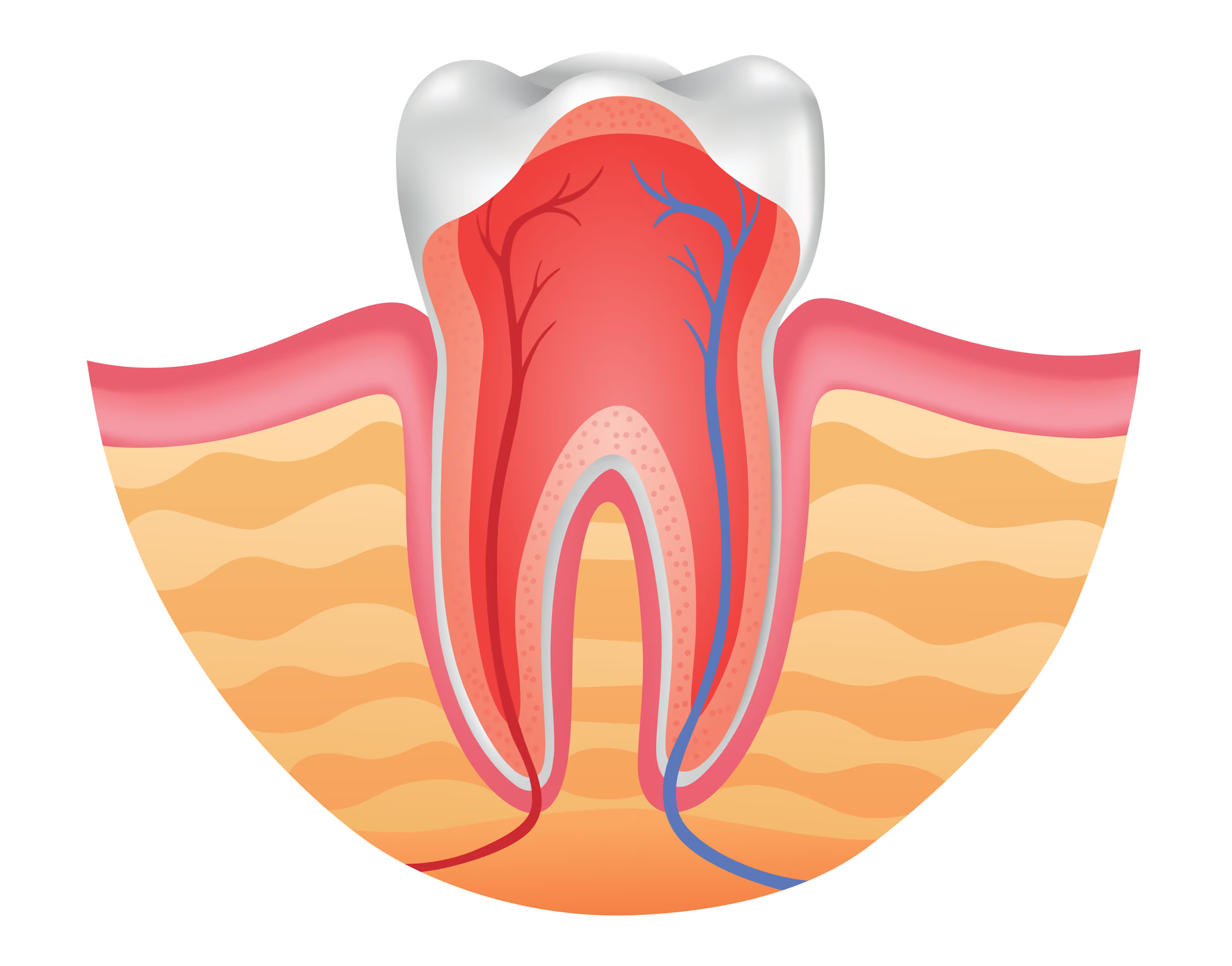
Root canals are performed to save a tooth that has a severely infected or decayed pulp. The pulp is the soft tissue inside the tooth that contains nerves, blood vessels, and connective tissue.
Signs and Symptoms
Common symptoms that may indicate the need for a root canal include persistent toothache, sensitivity to hot or cold, swelling and tenderness in the gums, and even the presence of a small bump or pimple on the gum near the affected tooth.
Procedure
The root canal procedure involves removing the infected or inflamed pulp, cleaning the root canals, and sealing them with a biocompatible material. In some cases, the dentist may also place a crown on the tooth for added protection and strength.
Local Anesthesia
To ensure your comfort during the procedure, your dentist will administer local anesthesia to numb the area. This means that you should not experience any pain during the root canal.
Multiple Appointments
Depending on the complexity of the case, root canals may require multiple appointments. This allows the dentist to thoroughly clean and disinfect the root canals and ensure that the infection is completely eradicated.
Post-Treatment Care
Following a root canal, it's essential to practice good oral hygiene, including regular brushing and flossing. Your dentist may recommend avoiding hard and sticky foods temporarily to protect the treated tooth.
Success Rate
Root canals are highly successful in saving teeth. With proper oral care, the treated tooth can last a lifetime, providing normal biting and chewing function.
Alternatives
While root canals are the preferred treatment to save a tooth, extraction is an alternative. However, tooth loss can create other oral health issues, such as shifting of surrounding teeth or difficulties with eating and speaking. Dental implants or bridges may be required to replace the missing tooth.Remember, it's crucial to consult with your dentist to evaluate your specific situation and determine the best course of action. Maple Park Dental can provide personalized advice and address any concerns you may have about root canals.
Share this post
Explore more posts
When Should I Replace My Toothbrush? The Science Behind the 3-Month Rule
At Maple Park Dental, we emphasize that a toothbrush is a precision tool for your oral health. While it might seem like a small detail in your daily routine...

The Power of Prevention: Everything You Need to Know About Professional Dental Cleanings
A trip to the dentist is far more than a routine chore; it is a critical investment in your long-term physical health. At Maple Park Dental, we believe that...
Fluoride vs. Non-Fluoride: Debunking the Top 3 Toothpaste Myths
Staring at the toothpaste aisle can feel more like a chemistry exam than a quick errand. With so much conflicting advice online, it’s difficult to separate...