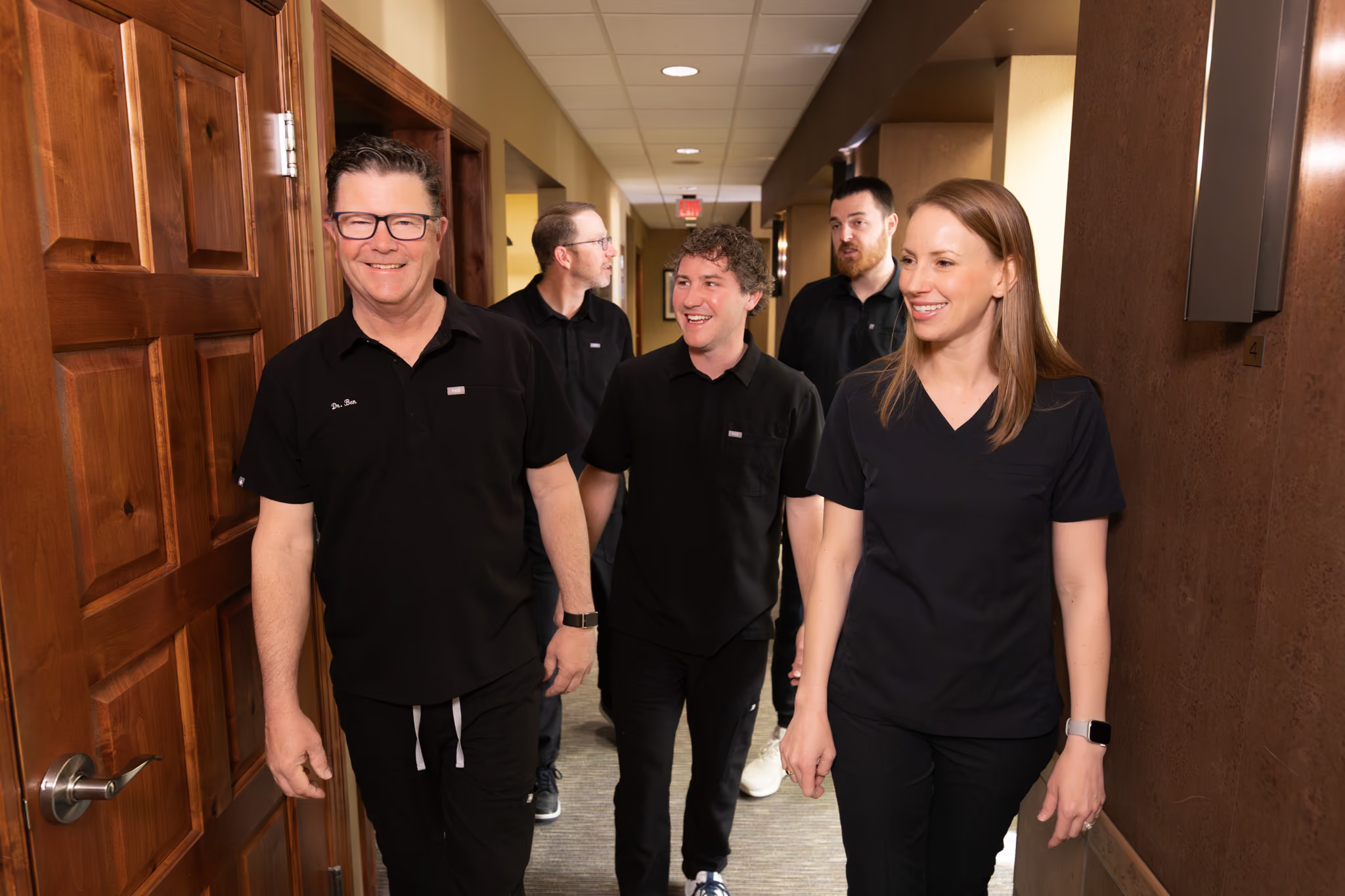

Dental emergencies can strike at any time and can be quite distressing. Knowing what to do in such situations is crucial to ensuring a positive outcome and minimizing potential risks to your oral health. At Maple Park Dental, we understand the significance of being prepared for dental emergencies and are dedicated to helping you confidently navigate through such situations.
Common Dental Emergencies
To better understand how to respond to a dental emergency, it is essential to first identify what constitutes an emergency. Some of the most common dental emergencies include:
- Toothache: A sudden and severe toothache can be a sign of various underlying issues such as tooth decay, an abscess, or a damaged filling.
- Cracked or Broken Tooth: Trauma to the mouth can lead to a cracked or broken tooth, causing pain and discomfort.
- Knocked-Out Tooth: Accidents or injuries can result in a tooth being knocked out entirely, which requires immediate attention to save the tooth.
- Lost Filling or Crown: Losing a filling or crown can expose the affected tooth to further damage and sensitivity.
- Abscess: A dental abscess is a painful infection that forms around the root of a tooth, leading to swelling and pus-filled pockets.
These are just a few examples of dental emergencies that may require prompt action to prevent further complications.
Steps to Take in a Dental Emergency
- Stay Calm: The first and most crucial step in any dental emergency is to remain calm. Panicking can exacerbate the situation and make it harder to think clearly.
- Assess the Situation: Evaluate the severity of the emergency and determine if there is bleeding, pain, swelling, or any visible damage to the teeth or gums.
- Contact Maple Park Dental: In case of a dental emergency, contact Maple Park Dental immediately to schedule an appointment. Our team will provide guidance on the next steps and prioritize your care.
- Manage Pain and Discomfort: While waiting for your appointment, you can take over-the-counter pain medication to alleviate any discomfort. Rinsing your mouth with warm salt water can also help reduce pain and inflammation.
- Preserve the Tooth: If a tooth has been knocked out, handle it carefully by the crown (top part) and rinse it gently with milk or saline solution. Place the tooth back in its socket if possible or keep it moist by storing it in milk or saliva until you can see a dentist.
According to the National Institutes of Health, over 5 million teeth are knocked out every year due to sports-related injuries, accidents, or trauma. Furthermore, dental emergencies are among the leading causes of unplanned visits to the emergency room, highlighting the importance of being prepared for such situations. Remember, prevention is key, so don't hesitate to schedule regular dental check-ups to maintain optimal oral hygiene and address any potential issues before they escalate into emergencies.
Share this post
Explore more posts
When Should I Replace My Toothbrush? The Science Behind the 3-Month Rule
At Maple Park Dental, we emphasize that a toothbrush is a precision tool for your oral health. While it might seem like a small detail in your daily routine...
The Power of Prevention: Everything You Need to Know About Professional Dental Cleanings
A trip to the dentist is far more than a routine chore; it is a critical investment in your long-term physical health. At Maple Park Dental, we believe that...
Fluoride vs. Non-Fluoride: Debunking the Top 3 Toothpaste Myths
Staring at the toothpaste aisle can feel more like a chemistry exam than a quick errand. With so much conflicting advice online, it’s difficult to separate...