
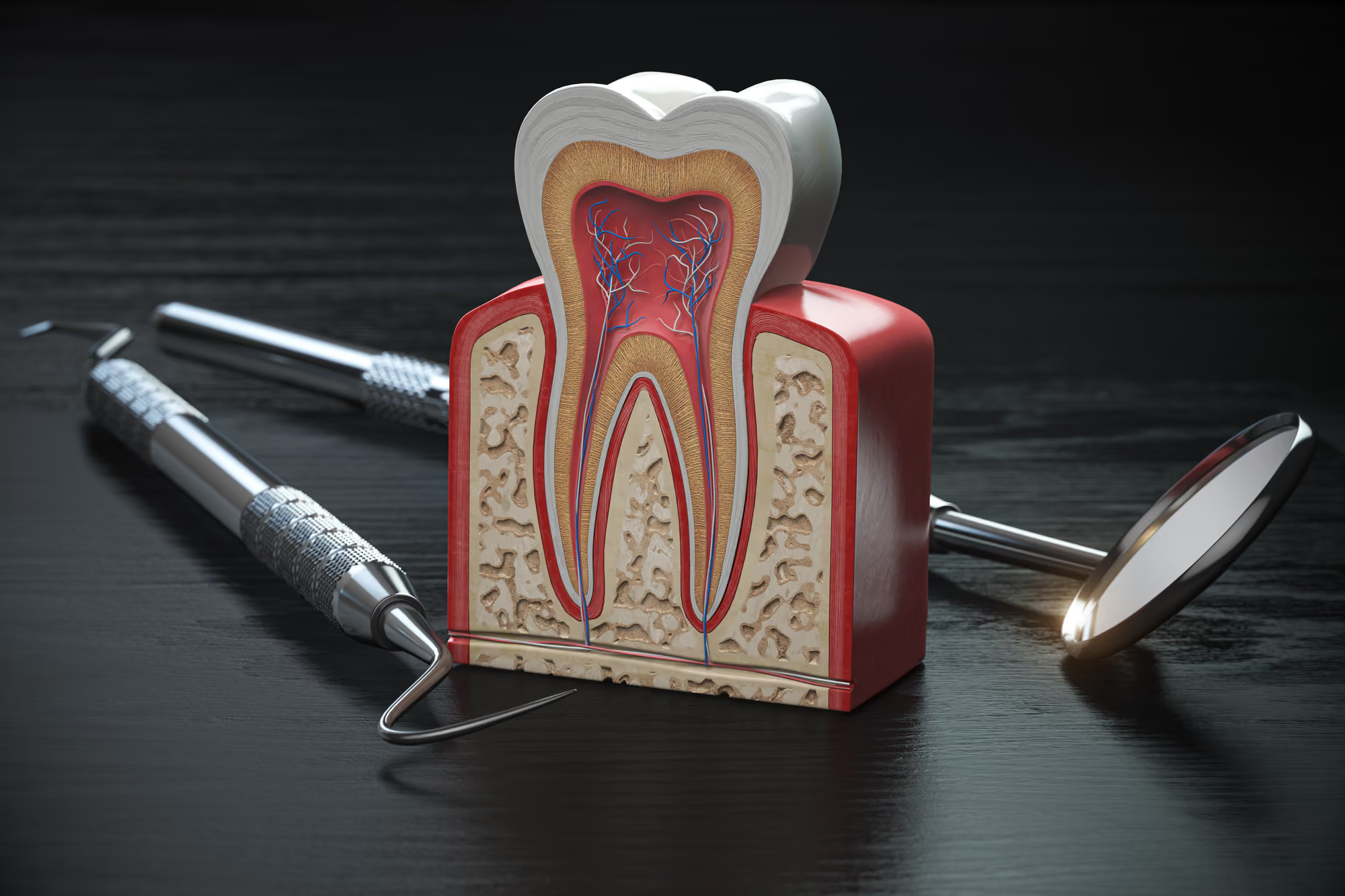
At Maple Park Dental, we believe that understanding your oral health is the first step towards maintaining a healthy smile. That's why we're taking a closer look at a crucial element of your oral health: the anatomy of a tooth. While they may seem like simple structures, teeth are complex and vital components of your overall well-being. They facilitate chewing, aid in speech, and contribute to the shape of your face. So, let's explore the different parts of a tooth and what they do.
The Two Main Parts: Crown and Root
A tooth is broadly divided into two main sections:
- The Crown: This is the visible part of the tooth above the gum line. Its shape varies depending on the tooth's function (biting, tearing, or grinding).
- The Root: This is the portion of the tooth that extends below the gum line and anchors it into the jawbone. The number of roots a tooth has can vary; incisors typically have one, while molars may have two or three.
The Layers of a Tooth
Each part of the tooth is composed of distinct layers, each with its own unique characteristics and functions:
- Enamel: This is the outermost layer of the crown and the hardest substance in the human body. Enamel protects the tooth from the wear and tear of chewing, as well as from acidic substances that can cause deterioration. While incredibly strong, enamel can be damaged by decay, erosion, and trauma.
- Dentin: Located beneath the enamel and cementum, dentin makes up the bulk of the tooth. It is a calcified tissue that is harder than bone but softer than enamel. Dentin contains microscopic tubules that transmit sensations to the pulp, which is why you might feel sensitivity when you have a cavity or exposed root.
- Cementum: This is a thin layer of calcified tissue that covers the root of the tooth. Cementum helps to anchor the tooth to the jawbone via the periodontal ligament.
- Pulp: The innermost layer of the tooth, the pulp, is a soft tissue that contains blood vessels, nerves, and connective tissue. The pulp is responsible for providing nutrients to the tooth and transmitting sensory signals, such as pain, temperature, and pressure. When the pulp becomes infected or damaged, a root canal may be necessary to save the tooth. Click here to read more about root canals on our website.
The Supporting Structures
While not technically part of the tooth, these structures are essential for its health and stability:
- Gums (Gingiva): The gums are the soft tissues that surround and support the teeth. Healthy gums are essential for protecting the tooth roots and preventing infection.
- Periodontal Ligament: This is a system of fibers that connects the root of the tooth to the jawbone. It helps to hold the tooth in place and acts as a shock absorber during chewing.
- Alveolar Bone: This is the bone that surrounds and supports the tooth sockets. The alveolar bone provides a foundation for the teeth and is crucial for their stability.
Types of Teeth
Humans have four different types of teeth, each with a specific shape and function:
- Incisors: Located at the front of the mouth, incisors are used for cutting and slicing food.
- Canines: Situated on either side of the incisors, canines are pointed teeth used for tearing food.
- Premolars (Bicuspids): Located behind the canines, premolars have a flat surface used for crushing food.
- Molars: Located at the back of the mouth, molars are the largest teeth and are responsible for most of the grinding and chewing of food. You can learn more about the different types of teeth and their functions from dentalcare.com.
Understanding the anatomy of a tooth can help you appreciate the complexity and importance of these vital structures. By taking good care of your teeth and visiting Maple Park Dental for regular checkups, you can help ensure a lifetime of healthy smiles.If you have any questions about your teeth or oral health, don't hesitate to contact us at Maple Park Dental. We're here to help you achieve and maintain a healthy, beautiful smile.
Share this post
Explore more posts
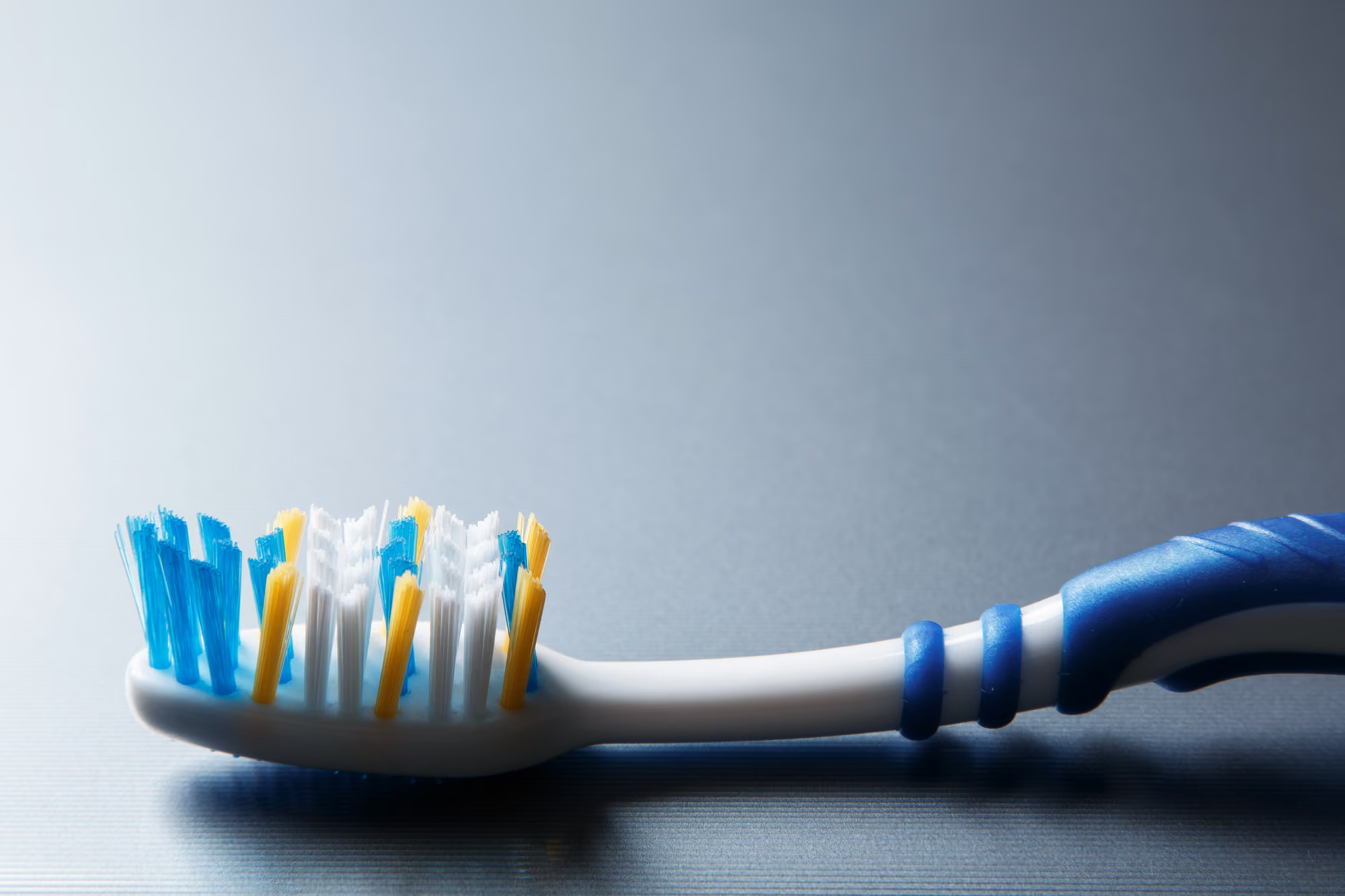
When Should I Replace My Toothbrush? The Science Behind the 3-Month Rule
At Maple Park Dental, we emphasize that a toothbrush is a precision tool for your oral health. While it might seem like a small detail in your daily routine...
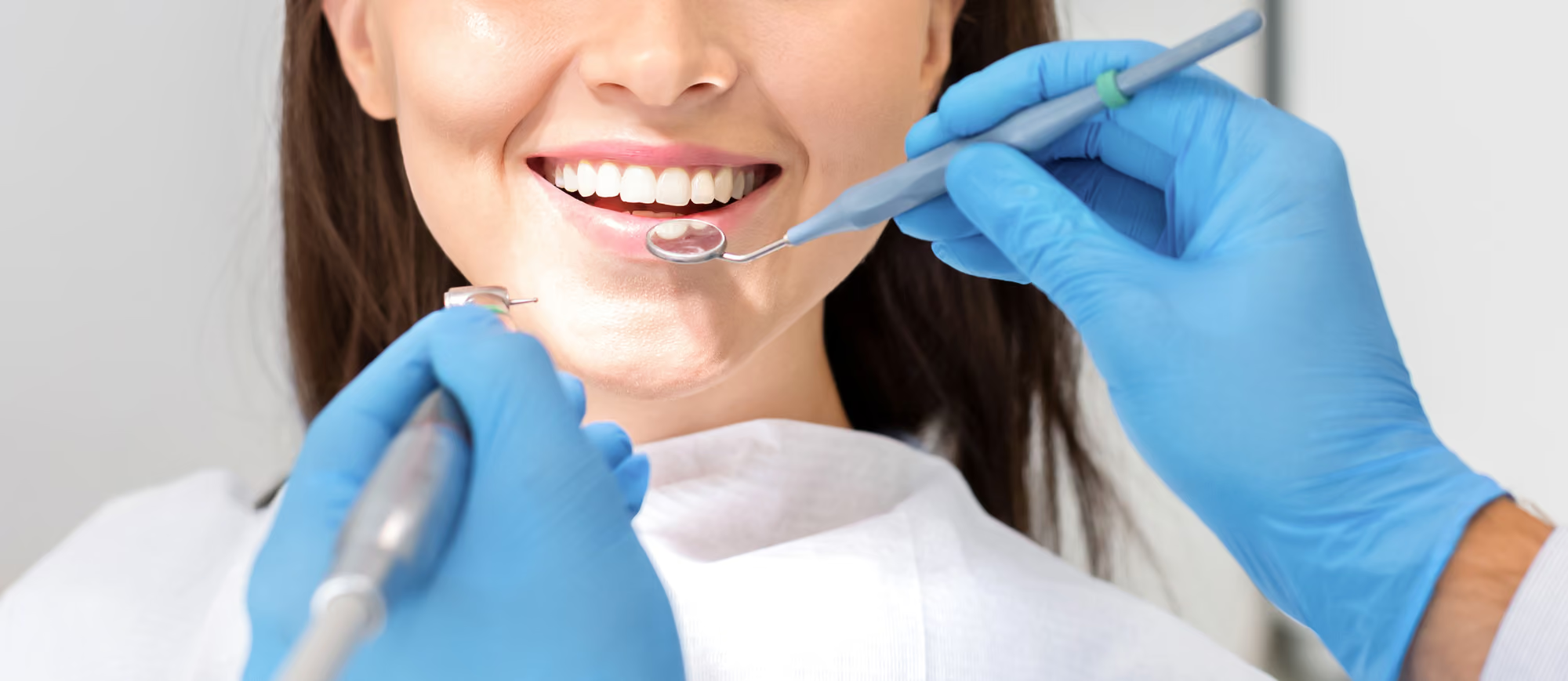
The Power of Prevention: Everything You Need to Know About Professional Dental Cleanings
A trip to the dentist is far more than a routine chore; it is a critical investment in your long-term physical health. At Maple Park Dental, we believe that...
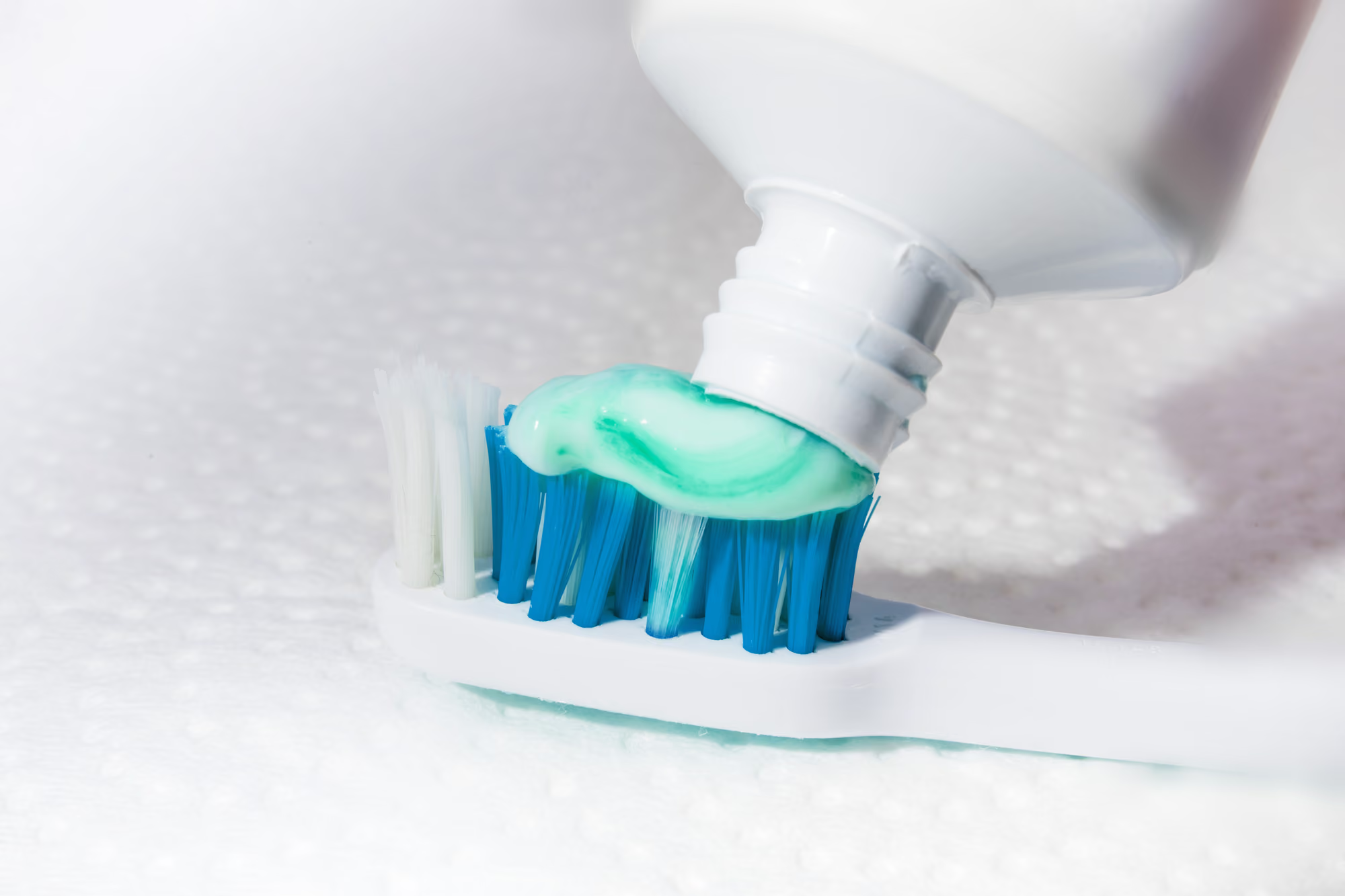
Fluoride vs. Non-Fluoride: Debunking the Top 3 Toothpaste Myths
Staring at the toothpaste aisle can feel more like a chemistry exam than a quick errand. With so much conflicting advice online, it’s difficult to separate...